Addiction therapy is not the same as detox, residential treatment, or rehab. It is a confidential, ongoing therapeutic relationship that helps people understand the roots of their dependency, develop healthier patterns, and move toward a life they value.
At Hope & Love, we do not meet people facing addiction with condemnation. We meet them with honesty, compassion, and a practical path forward. Addiction may have shaped your choices — but it does not define your worth.
Who addiction therapy is for
You do not need to have hit "rock bottom" to benefit from therapy. Many people come to counselling feeling ambivalent, confused, or unsure whether their patterns are a problem. Wherever you are is a valid place to begin.
- People struggling with substance use — alcohol, cannabis, prescription drugs, stimulants
- People facing behavioural addictions — pornography, gambling, sex, technology
- Partners or family members of someone struggling with addiction
- Couples navigating the relational impact of addiction
- People in early recovery who want ongoing therapeutic support
- People who have relapsed and are looking for a non-shaming path forward
What addiction therapy covers
Sessions are collaborative. We work at a pace that is yours. Depending on your situation, therapy may explore:
- Understanding the drivers beneath the addictive behaviour — not just the behaviour itself
- Shame, identity, and self-worth in the context of addiction
- Communication, relationships, and the impact addiction has had on the people around you
- Practical relapse prevention, harm reduction, and safety planning
- Grief, loss, and the process of reconnecting with who you are
- Faith, meaning, and spiritual dimensions of recovery (where relevant and desired)
Addiction therapy vs. other forms of care
Therapy is not a substitute for medically supervised detox, residential treatment, or crisis services. If you need medical support for withdrawal or are in a crisis, Matt will help connect you to the right resources. Therapy works best alongside or after medical stabilization — and is an essential part of sustained recovery.
What to expect in sessions
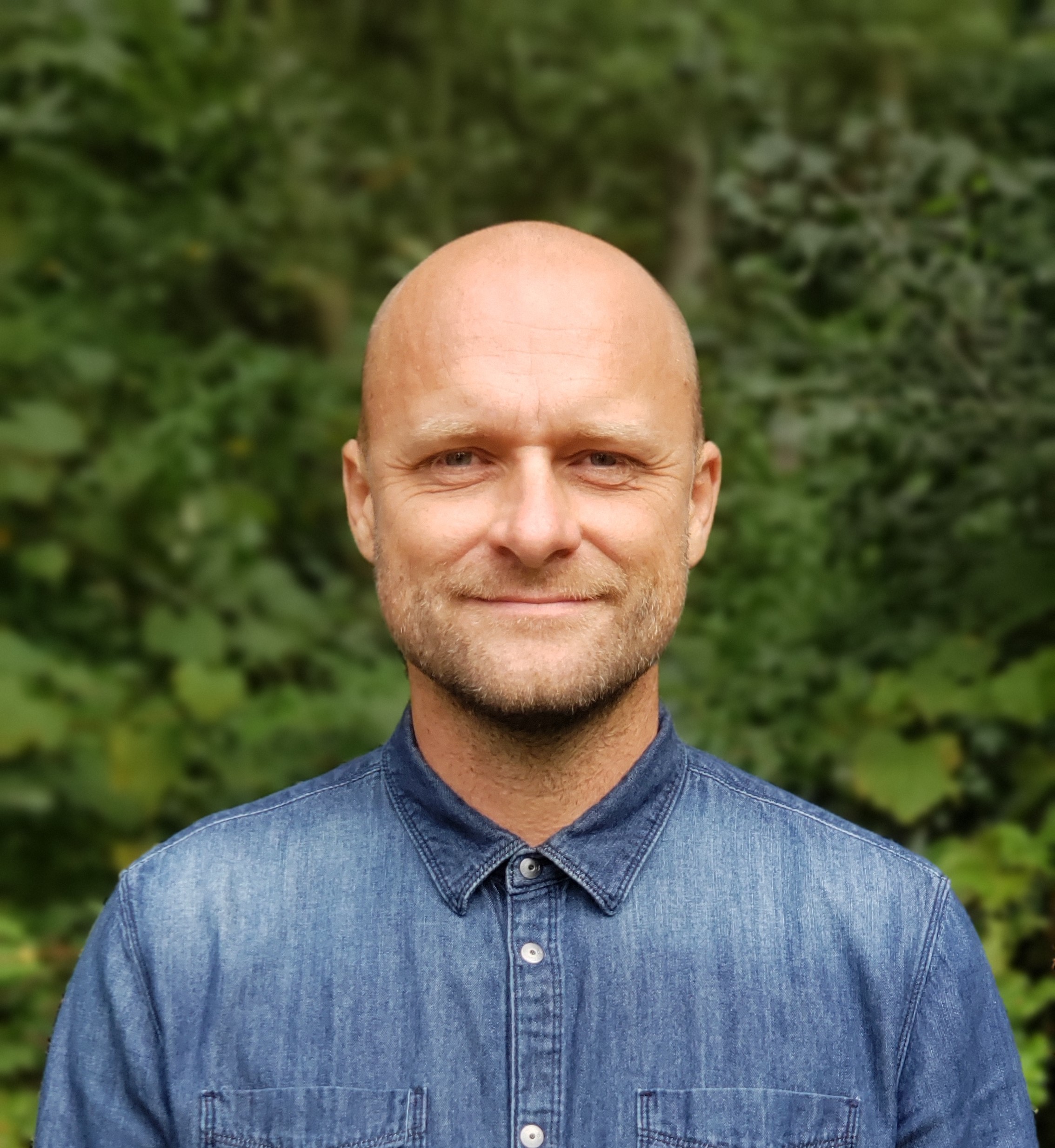
Sessions are 50 minutes. You set the pace. Matt may ask questions, reflect back what he is hearing, or introduce practical tools — but the direction is always collaborative. You are never pushed toward a disclosure or pace you are not ready for.
Sessions are available in-person in Ontario and via secure, confidential video for clients anywhere in the province.