
Picton, OntarioAll of Ontario
EMDR Therapy · Ontario

EMDR therapy
so the past stops running the present.

EMDR is an evidence-based therapy that helps your brain reprocess painful memories and the beliefs they left behind - often without having to talk through every detail. With Matt Harris, EMDR Certified (EMDRIA approved) Registered Psychotherapist, virtual across Ontario and in person.

EMDR Certified · EMDRIA Approved Virtual & In-Person Confidential

When the past keeps intruding on the present

A memory still has a grip on me.

Flashbacks, nightmares, hypervigilance, or a single event your mind keeps returning to. EMDR helps the brain finish processing what it could not at the time.

EMDR for Trauma & PTSD

My anxiety has deeper roots.

Panic, dread, or anxiety that talk therapy alone has not shifted - often tied to earlier experiences. EMDR works at the root, not just the symptoms.

EMDR for Anxiety

I know better, but I don’t feel better.

“It was my fault.” “I’m not safe.” “I’m not enough.” When a belief lives in the body, insight is not enough. EMDR helps it genuinely shift.

How EMDR Works
A person sitting quietly by calm water at dusk
EMDR does not erase what happened. It helps your brain file the memory where it belongs - in the past - so it stops firing as though the danger is still here.

EMDR stands for Eye Movement Desensitization and Reprocessing. It is a structured, evidence-based therapy developed by Dr. Francine Shapiro and recommended for trauma and PTSD by the World Health Organization and leading clinical bodies.

When something overwhelming happens, the brain can store the memory unprocessed - frozen with the original images, emotions, body sensations, and beliefs. Years later, a reminder can set it off as if it were happening now. EMDR uses bilateral stimulation - gentle guided eye movements, taps, or tones - to help the brain do what it does naturally in sleep: reprocess the memory and settle it.

One of the reasons people are drawn to EMDR is that it does not require you to describe every detail of what happened or to relive it at length. The work is paced, and you stay in control throughout.
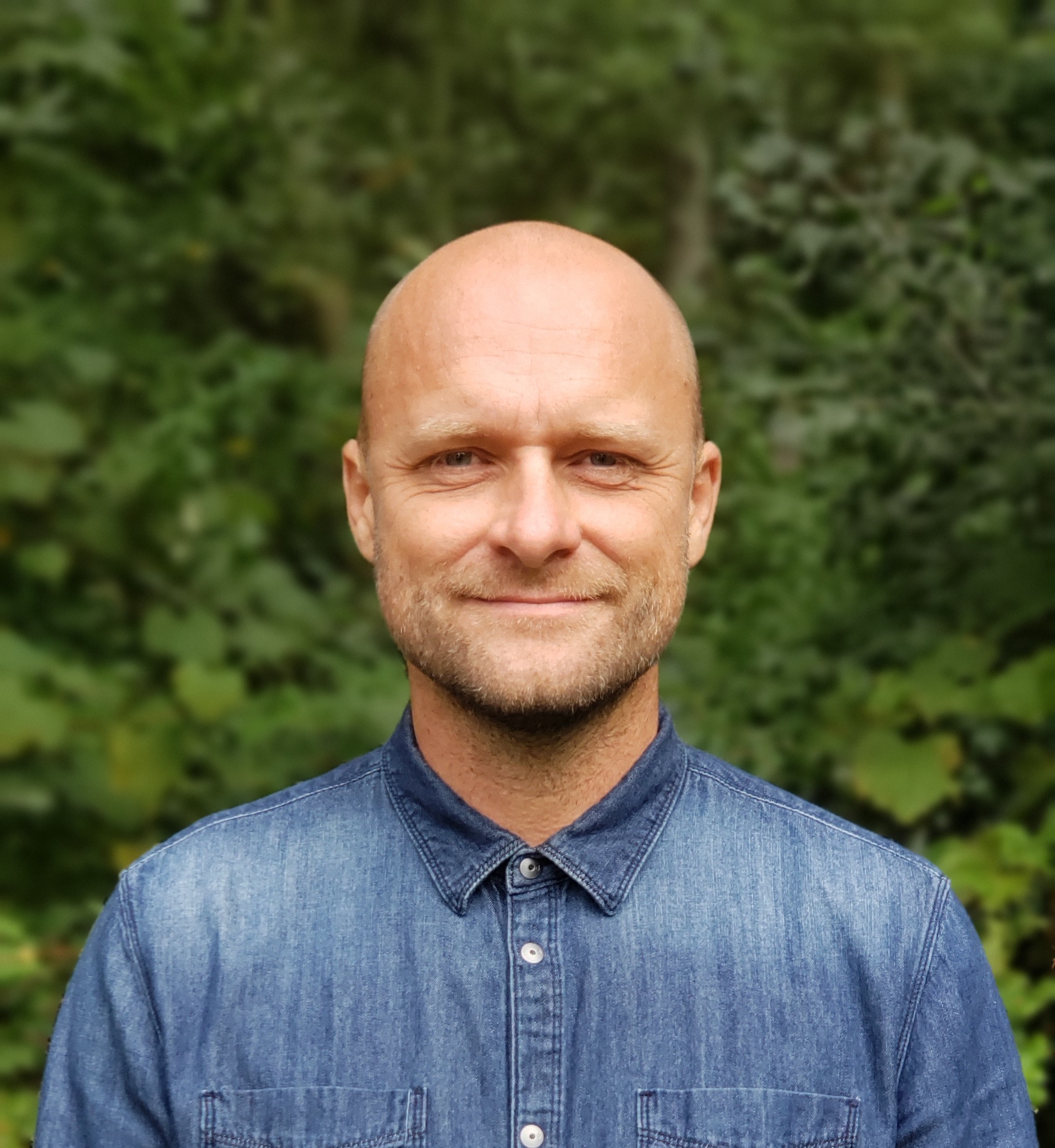
Meet Matt Harris Book a Consultation

The eight phases of EMDR

How the work is structured

  • 1. History & planning - understanding your story and choosing targets together
  • 2. Preparation - building trust, grounding, and tools so you feel safe and resourced
  • 3. Assessment - identifying the image, belief, emotion, and body sensation to work on
  • 4. Desensitization - reprocessing the memory with bilateral stimulation
  • 5. Installation - strengthening a new, truer, positive belief
  • 6. Body scan - clearing any remaining tension held in the body
  • 7. Closure - returning to calm and stable at the end of every session
  • 8. Re-evaluation - checking progress and choosing what comes next

What this means for you

  • You are never flooded or pushed - preparation comes first, and you can pause at any point
  • You do not have to narrate the trauma in detail for EMDR to work
  • Every session ends with closure, so you leave settled, not raw
  • Progress is reviewed together, at a pace that is yours

Sessions are 50 minutes, in person or via secure video. EMDR is often used alongside other approaches, matched to what is useful for you.

Matt Harris, Registered Psychotherapist

Matt Harris, RP

Registered Psychotherapist • EMDR Certified (EMDRIA Approved)

Matt is a Registered Psychotherapist and an EMDR Certified therapist (EMDRIA approved) who uses EMDR to help people in Ontario move through trauma, anxiety, and the experiences that keep shaping the present.

He brings warmth and a steady, unhurried approach to the work. EMDR is woven in where it fits, alongside CBT, IFS, and trauma-informed care, so the therapy is built around you rather than a protocol.

Read Matt’s Story

You do not have to keep reliving it to heal from it. EMDR helps the brain do what it has been trying to do all along - let the past become the past.

Matt Harris, RP

EMDR therapy, answered

What is EMDR therapy?
EMDR (Eye Movement Desensitization and Reprocessing) is a structured, evidence-based psychotherapy that helps the brain reprocess distressing memories so they lose their emotional charge. It is recommended for trauma and PTSD by the World Health Organization and major clinical guidelines, and is also used for anxiety, phobias, grief, and more.
How does EMDR work?
While you briefly bring a target memory to mind, the therapist guides sets of bilateral stimulation - side-to-side eye movements, taps, or tones. This appears to help the brain reprocess the memory, much as it does during REM sleep, so it can be stored as something that happened in the past rather than a present threat.
Do I have to talk about the trauma in detail?
No. One of EMDR’s strengths is that it does not require you to describe everything that happened or to relive it at length. You stay in control, and the work is carefully paced.
Is EMDR evidence-based? Does it actually work?
Yes. EMDR is one of the most researched therapies for trauma and PTSD, with strong evidence and endorsements from the WHO, the American Psychological Association, and others. Results vary by person and situation, which is why we set goals together and review progress.
How many EMDR sessions will I need?
It varies. A single, recent event may resolve in a handful of sessions; complex or long-standing trauma usually takes longer. The early sessions focus on preparation and safety before any reprocessing begins.
Is EMDR safe?
EMDR is widely regarded as safe when delivered by a trained therapist. Sessions begin with preparation and grounding, every session ends with closure so you leave settled, and nothing is pushed faster than you are ready for.
Can EMDR be done online?
Yes. Online EMDR is delivered by secure video using on-screen or self-administered bilateral stimulation, and research shows it is effective. It is available to anyone in Ontario.
Is Matt qualified in EMDR?
Yes. Matt Harris is a Registered Psychotherapist and an EMDR Certified therapist (EMDRIA approved). EMDR is a core part of his practice for trauma, anxiety, and related concerns.
Is EMDR covered by insurance in Ontario?
Many Ontario extended health benefit plans cover sessions with a Registered Psychotherapist, including EMDR. Matt provides detailed receipts for insurance submission. Check your plan for "psychotherapy" or "registered psychotherapist" coverage.

Hope & Love is not a crisis service. If you are in immediate danger, call 911. For mental health crisis support, call or text 988.

Ready to explore EMDR?

Book a free 20-minute consultation with an EMDR Certified therapist. No paperwork, no commitment, just an honest conversation about whether EMDR is the right fit.

Book a Free Consultation

EMDR across Ontario · Virtual province-wide · In-person in Prince Edward County